
Afigure toils alone at Bodymoor Heath. The light fades, but against the setting sun his silhouette is distinctive: the floppy hair, the hunched gait, the vast calves. Jack Grealish is working, honing and polishing, inventing, striving at the limits of technical excellence.
He has inspired Aston Villa to promotion. He has helped them avoid relegation, establish themselves as a Premier League side. He is enormously popular. Even opposing fans admire his ability, warm to the sense he is still in some way the impish kid in the playground, revelling in his ability, having fun. That summer at the Euros he had become a cause célèbre, the figure behind whom the clamour for Gareth Southgate to release the handbrake rallied, the poster boy for the sort of pundit who wished England would just believe in talent.
But Grealish wanted more. He was a Villa fan, loved the club, but he wanted to test himself at the very highest level, to compete for the league title, to play in the later stages of the Champions League. He did not want to be just the cheeky kid with the jinking feet; he had professional ambition. At which there came a flash of light, a puff of smoke, and there appeared on the heath a cadaverous, dark-haired figure – Mephistopheles, or perhaps an agent. Grealish could have all these things, the figure said, he could lift trophies, even win a treble, if only he signed a six-year contract with Manchester City. As Grealish reached for the pen, the figure murmured, almost under his breath, that there would be a cost. But by then the deal was done.
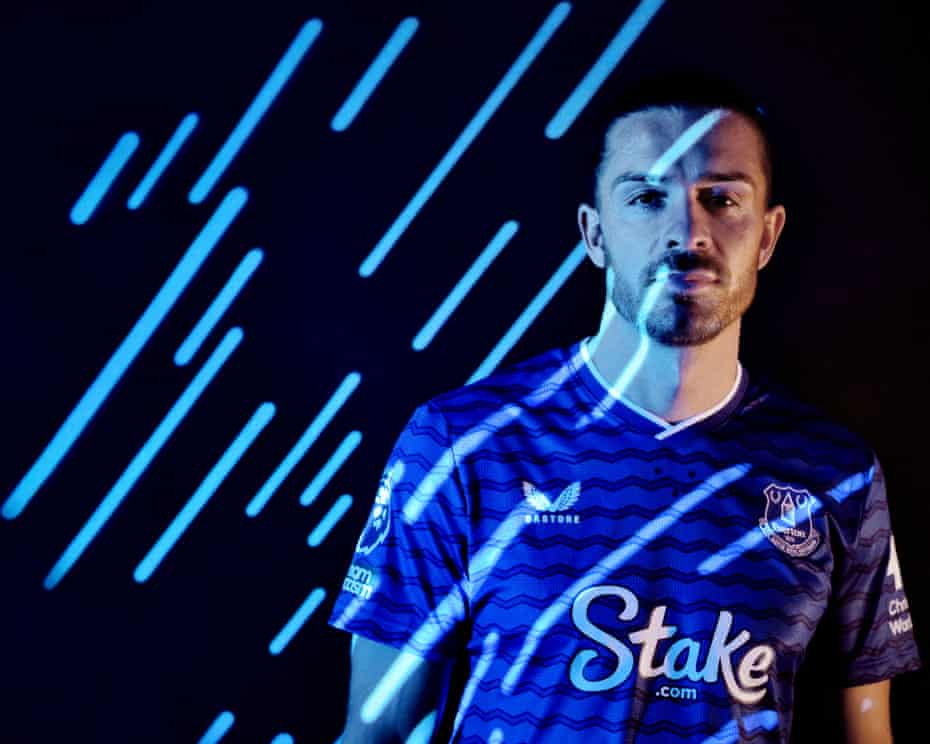
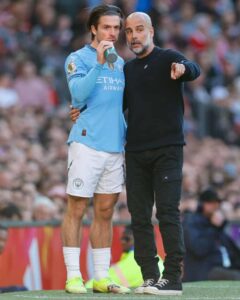
The relationship between Jack Grealish and Manchester City manager Pep Guardiola has been a complex and, at times, turbulent one, with Grealish’s recent loan move to Everton marking a new chapter in his career. The central theme of this dynamic is that Grealish, known for his free-spirited and improvisational style, never fully became the “obedient little schoolboy” that Guardiola’s system often demands.
About The Author

