
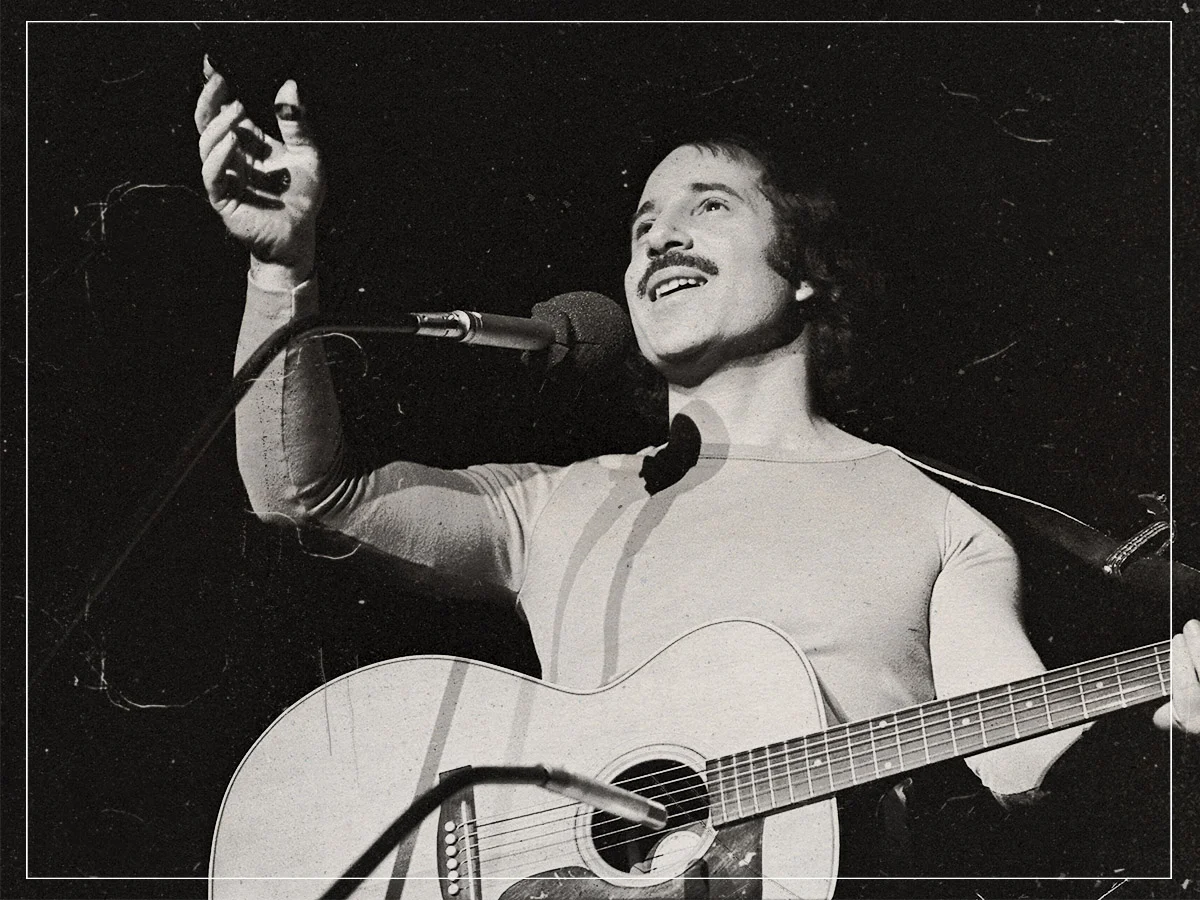
 Sometimes, Paul Simon is more creatively influenced by his surroundings, eager to transform the beauty of the external world into sonic art. Other times, it’s more spontaneous, like a planted thought materialised from nowhere in particular, embedded in the energy felt in the studio or on stage in front of hundreds of fans. There’s no rhyme or reason, most of the time, but these are also the moments when power emerges in its rawest forms.
If not for his partnership with Art Garfunkel, most people associate Simon’s artistry with Graceland, which makes complete sense considering it’s one of the most brilliant records in history. However, within such a widely successful album lies endless gems about Simon’s own artistry, including the subtle strokes of inspiration that lead him to create something with such poignant layers of discovery.
The connection to Elvis Presley, for one, wasn’t as preconceived as it might seem, considering Simon initially came up with the record title as a placeholder and hadn’t even ventured out to the late singer’s estate before. However, something about it stuck and formed the basis of the broader messaging, namely, the beauty that is discovered when yearning from within ventures out into the surroundings in search of belonging amid the chaos.
Whether intentional or not, this is something Simon has always been incredibly adept at—journeying down the road less travelled in search of everything and nothing, almost always stumbling upon profound realisations and epiphanies in the form of musical creativity in the process. Often, ideas emerge like an old friend, peering from the past in unexpected light as though they were always there, waiting to be gazed upon directly.
Fortunately, this ability means the singer is always moving, always improving, open-minded in his quest, and equipped to embrace whichever story might befall him next. It’s fresh, exciting, rarely boring and always surprising. This occurred during the creation of the title track for his fourth solo record, 1975’s Still Crazy After All These Years, which was the first time he realised the power of such spontaneous creative abilities.
As usual, the idea for the song title seemingly came out of nowhere, presenting itself like a flickering light begging for attention. “That title phrase came to me first,” he told SongTalk in 1990, “And it didn’t come with melody, either. It just came as a line. And then I had to create a story.” From there, Simon built the song out with a somewhat experimental approach after studying with Chuck Israels, knowing that some of his choices posed significant risks.
However, the singer later described the song as “a leap,” one that appeared far more accomplished than anything he had done before. Discussing the moments post-breakup when he would get back together with Garfunkel, he described his mindset while creating music, saying, “I had a lot on my mind, musically. As it turns out. I didn’t set out saying, ‘I have a lot that I want to accomplish.’ It just grew as I went from stage to stage. Albums would take leaps.”
He detailed the process of creating ‘Still Crazy After All These Years’ and continued: “Like ‘Still Crazy After All These Years’ was a leap. It was harmonically way better than what I had written before. It was a really good ballad with a really good title. I loved recording with the gospel quartets. I like going to Jamaica. I like travelling around and meeting other musicians.”
About The Author

